Where this shows up
Two adults decide to launch something of their own. They work late into the evening after their regular jobs, crowded around the kitchen table. The kids are sent to the other room so they won't interfere, won't break anything, and things can get done faster.
A few years later, the enterprise is running successfully. Yet if you ask those same kids what their parents do, they summarize it in a detached word or two, with zero feeling that it has anything to do with them.
What we try first
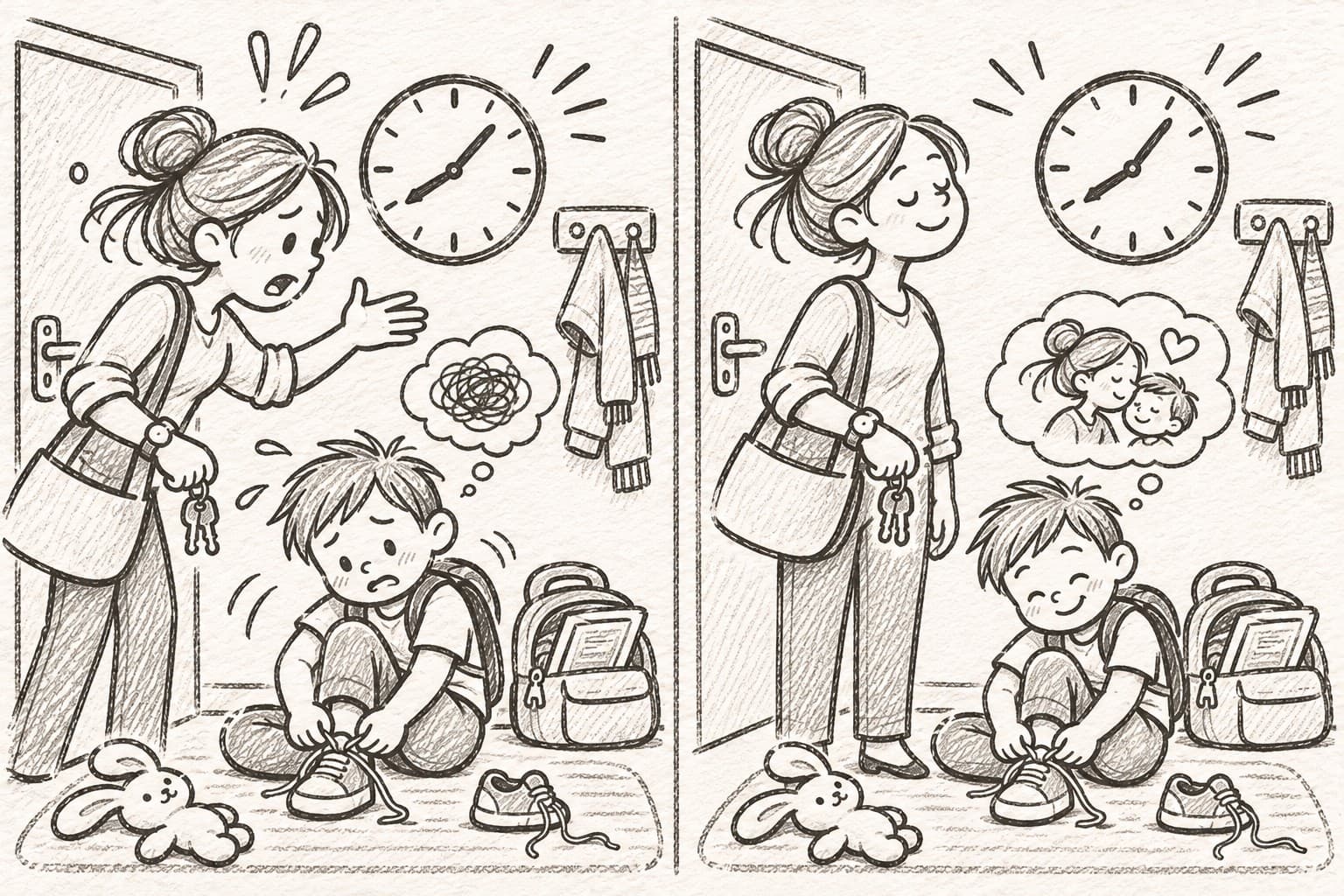
We try explaining it. We describe what we do, show off the final product, take them once to a trade fair or the workshop when everything is pristine and polished. Or we swing the opposite direction and shield them from all stress, never speaking about lean or nerve-wracking months.
What changes the picture
Children don't remember their parents' job titles. They remember whether they were allowed inside the room while it was being created.
What gets passed down isn't a specific trade or a corporate entity. What is handed down is the permission to attempt something from scratch. And that permission is never granted through speeches, but through presence in the unglamorous stages: when something breaks, when a client cancels, when an entire Saturday is poured into work that yields nothing.
A child who watched that unfold learns that failure isn't a fatal dead end, but a natural part of the creative process. A child who only ever saw the finished product assumes things come into the world effortlessly, that people are born divided into those who can and those who can't, and that they probably belong to the latter group. That is why they later fear taking the first step—in business, and in life.
The time horizon is everything here. We imagine we are building an inheritance for twenty years down the line. But what truly sticks with them isn't the property they inherit; it is the mental blueprint that starting from zero is normal and that mistakes are simply things to be solved.
That is why the most valuable gift of family work is precisely the part we instinctively hide.
The same thing at work
The same principle holds for organizational transparency. Team members who only see finished decisions never learn how to decide; they learn how to wait. A team that sat in the room while the decision was uncomfortable, messy, and uncertain learns how to make tough calls independently.
What you can do today
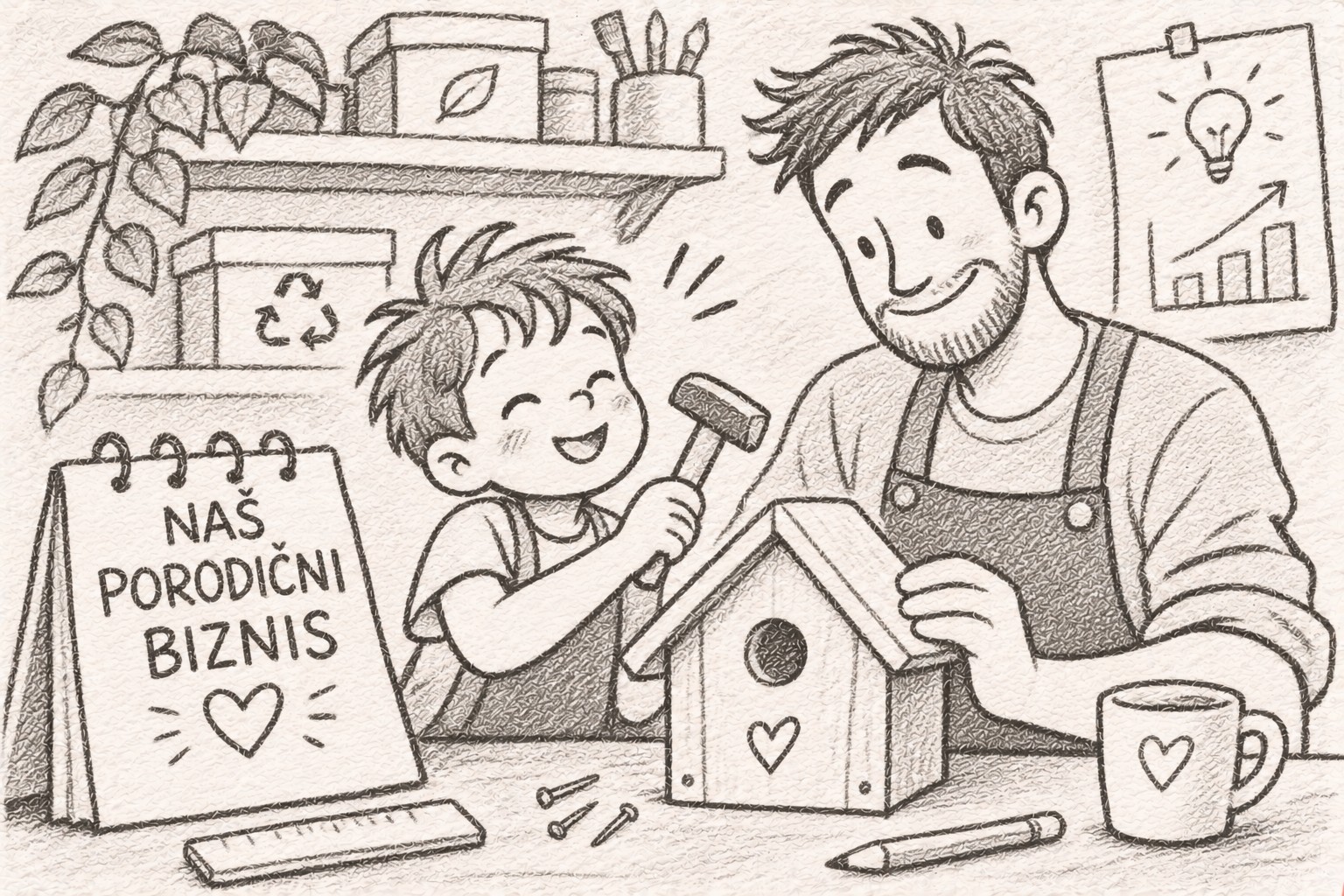
Let your child be in the room while you work on something of your own, without assigning them a task and without demanding they help. Just let them see what effort looks like before it succeeds.
The underlying habit
Synergize. A family doesn't become a team by divvying up chores on a checklist; it becomes a team when children are welcome in the room while something is being created. Only then does what we build belong to all of us, rather than just the adults.