Where this shows up
There is a familiar phrase we all say: "You know you can tell me anything." The child nods, says okay, and tells us nothing.
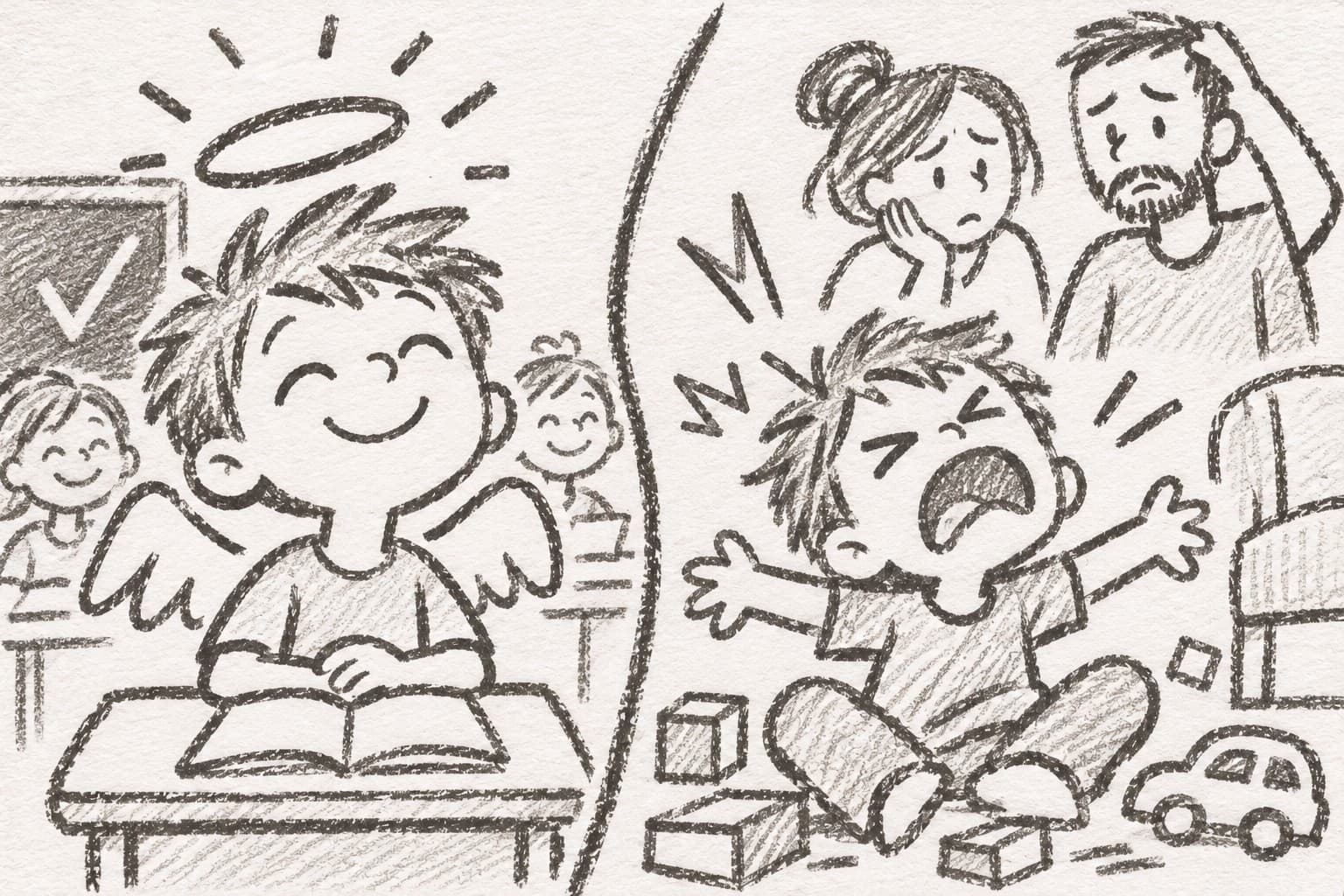
Months later, we hear something significant second-hand, in passing from someone else. It wasn't a catastrophe, but it was important to them, it was big, and it unfolded without us.
What we try first
We try asking more frequently. Then more directly. Then we promise we won't get mad. And the next time we hear something that clashes with our expectations, we lose our temper anyway—and the next time, neither the question nor the answer comes.
What changes the picture
Trust is not the starting point of honesty. It is the delayed consequence of a much earlier moment that seemed trivial to us at the time.
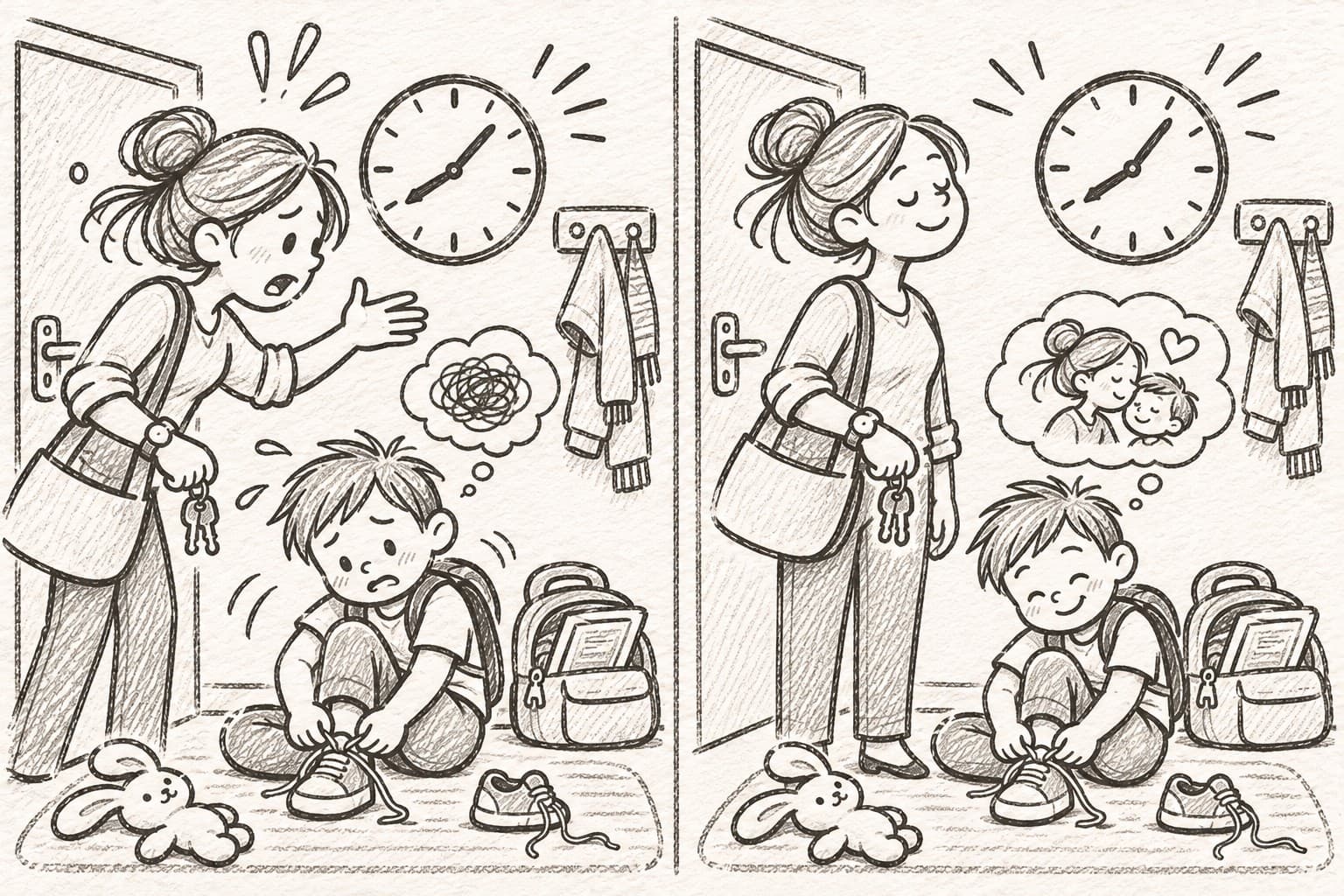
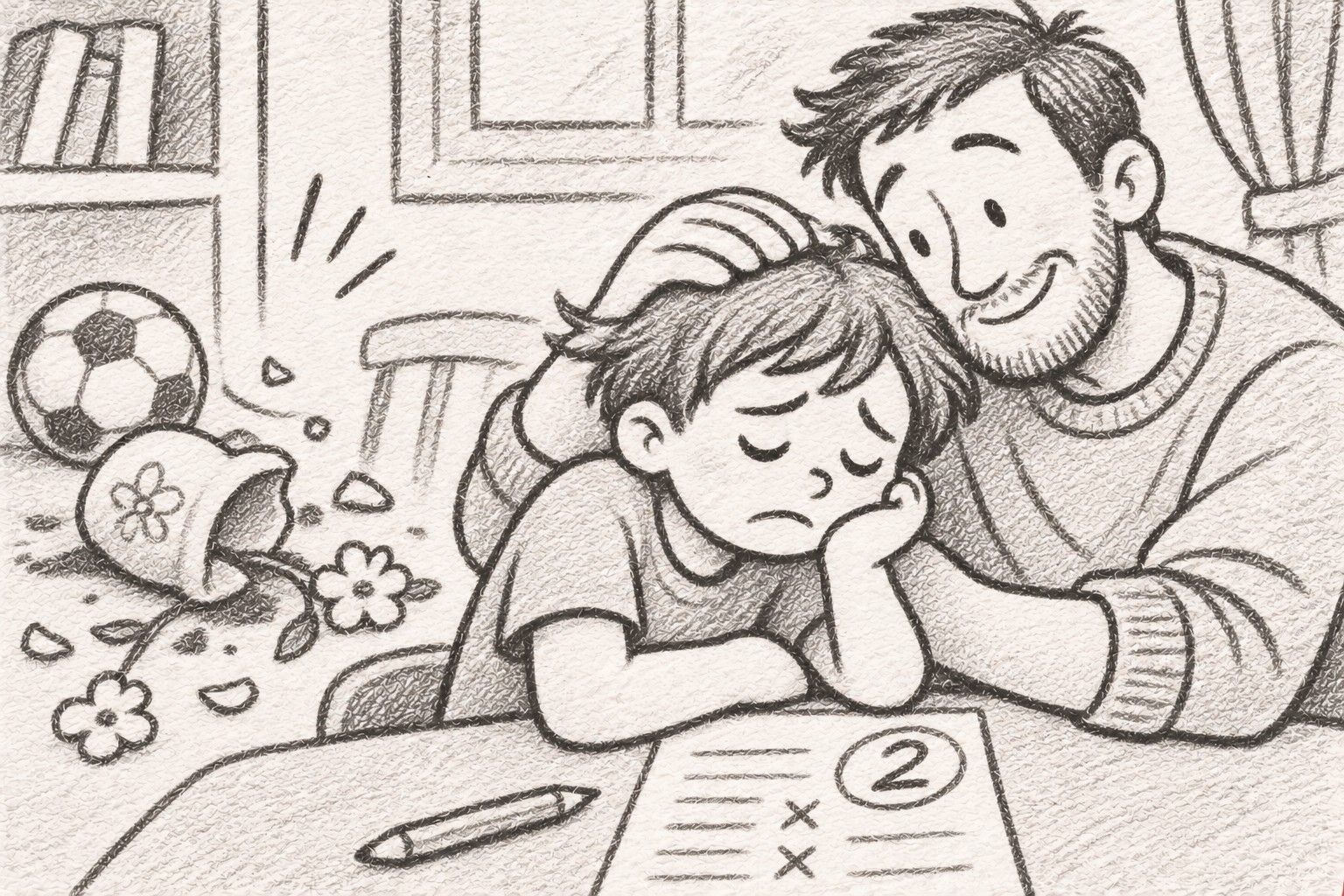
A child will not bring us something important simply because we gave them permission. They will bring it only if, on a previous day when they brought something small and unpleasant, the sky didn't fall. A shattered drinking glass. A mediocre grade on a pop quiz. A clumsy lie about who ate the chocolate. Those very trifles were our job interview, and we had no idea we were being interviewed.
Children do not test us on monumental issues. On monumental issues, they already have the test result in hand—pass or fail—and they merely apply it. Our reaction to minor bad news is the purchase price of our next major disclosure.
And that is what reshapes an adult's behavior: trust is earned on ordinary, boring days and cashed in on difficult ones. If we wait for a grave crisis to demonstrate how calm and reasonable we are, we are waiting for a moment that will never arrive—because the door closed two years ago over an incident we instantly forgot.
In practice, this means vigilance matters most precisely where it is easiest to overreact: on the small stuff.
The same thing at work
People don't report major mistakes in an organization where minor questions are met with irritation. It isn't a lack of courage; it is simple risk calculation. Every reaction to an insignificant glitch is recorded as data predicting what will happen when a critical failure occurs.
What you can do today
Recall the last minor piece of bad news your child brought you and how you responded. That response is the current price of your next major conversation—and that is the only place you have the power to change it.
The underlying habit
Seek first to understand. Understanding is not demonstrated when a crisis erupts; it is proven while the incident is still trivial and harmless. That is when it is decided whether we will ever be told the truth about what truly matters.